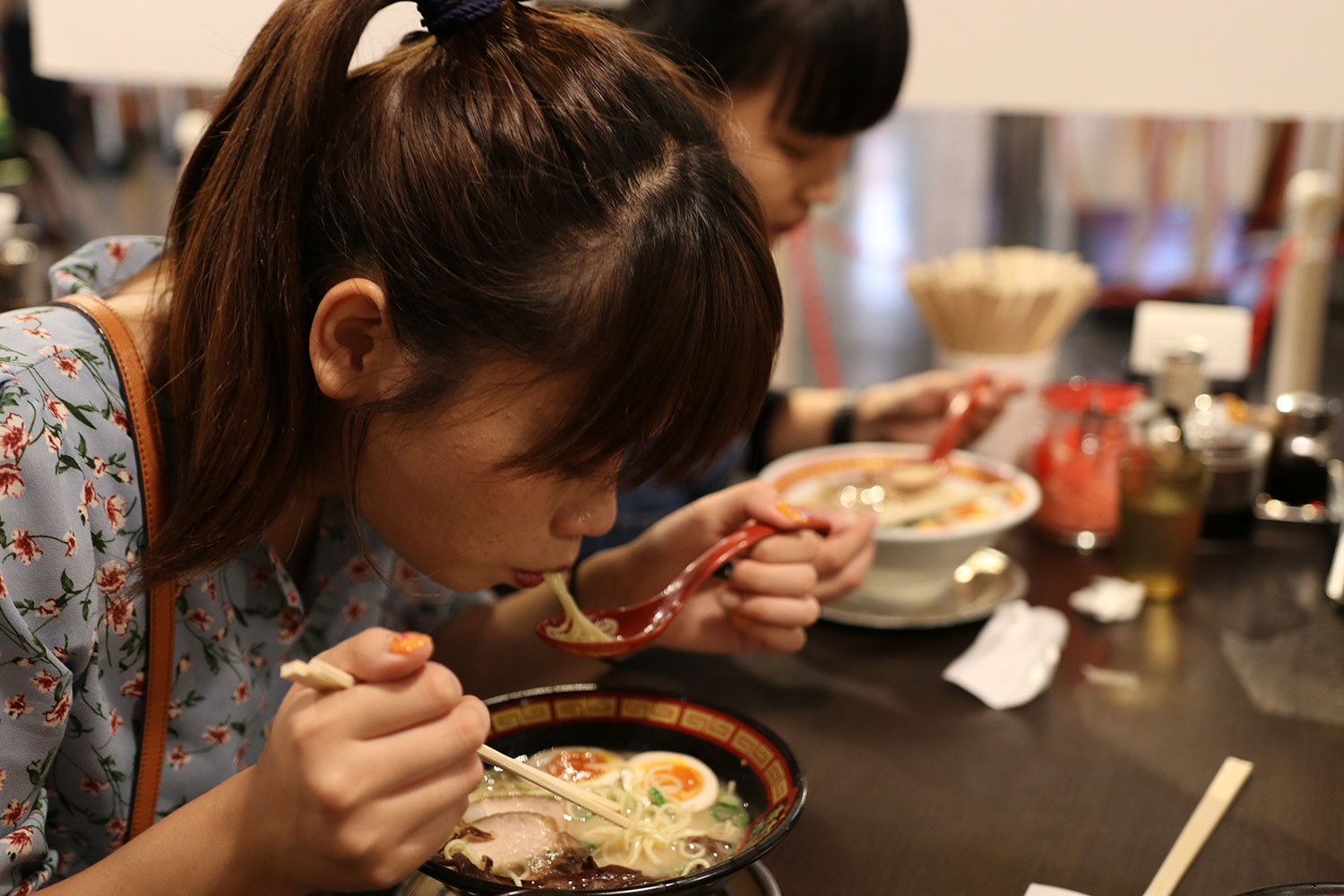


The midday rush fills a hotpot restaurant in Chengdu, where tables crowded with simmering broths showcase the region’s appetite for meat-heavy dining. Multiply this scene by millions across Asia, and the scale becomes staggering.
China alone now consumes more animal protein than the European Union and United States combined. Asia is home to three out of every four farm animals alive today and accounts for half of the growth in global demand for animal protein. This surge carries global consequences, from rising greenhouse gas emissions and deforestation to heightened risks of zoonotic disease and antimicrobial resistance.
Across Asia’s sprawling food landscape—from Seoul’s gleaming corporate towers to Jakarta’s bustling restaurant districts, from Hong Kong’s luxury hotel chains to Manila’s fast-casual empires—the choices made in corporate boardrooms ripple through supply chains that feed billions. Procurement directors deciding to source less-harmful animal proteins, expand plant-based offerings, or shift practices in ways that reduce food waste are making decisions that reverberate across ecosystems. While consumer education and government regulation remain vital, corporate policies operate at a scale that can reshape entire industries with unprecedented speed.
When One Decision Affects Millions
In provincial cities across China, restaurants brim with families gathered around steaming pots of fragrant broth, sharing tofu, vegetables, and eggs. These everyday meals are now beginning to change, as more companies embrace improved sourcing standards.
At Steel Pipe Factory Xiaojungan Hot Pot Skewers, a popular nationwide restaurant chain, a new policy pledge developed in partnership with Lever China will see the company source only cage-free chicken and eggs across its over 1,000 restaurant outlets. That single decision, made by a few executives at one company, will improve the lives of over ten million animals each year while lowering public health risks for hundreds of thousands of customers.
“Corporate policies create transformation at a velocity that simply isn’t possible through most other channels,” explains Lily Tse, a sustainability program director at Lever Foundation. “When major food companies commit to improving their sourcing standards through steps like eliminating industrial confinement systems in their supply chain, we witness mass-scale improvements happening in real time.”
Policies to improve animal protein sourcing can reduce the daily suffering of millions of animals, but the benefits extend far beyond that. Research from the European Food Safety Authority and peer-reviewed studies from across the globe make clear that less-intensive production systems have lower health and food poisoning risks for consumers. By reducing intensity, these systems also decrease local air and water pollution. And by preventing the disease outbreaks and compromised immunity that result from confining animals in overcrowded conditions, such systems provide greater protection against avian flu transmission and other public health risks. For both animal welfare and public health, transitioning toward farming systems that eliminate the worst industrial practices is essential for creating a more sustainable and healthy food system in Asia.
“What makes these decisions especially powerful is how they reshape market expectations,” says Bing Lam, a sustainability program manager at Lever China. “When one company takes the lead, competitors, suppliers, and even regulators begin adjusting in response. That ripple effect accelerates broader change, making progress not just faster but more resilient and enduring.”

The Competitive Cascade Effect
In Hong Kong’s bustling dining scene, where neon-lit cha chaan tengs sit alongside high-end international chains, consumer expectations shift quickly and companies know they cannot afford to lag behind. Here, competitive pressures don’t just shape menus—they can redefine entire sourcing systems.
Perhaps most fascinating is how entities like Lever Foundation and Lever China can use competitive dynamics and market opportunities to accelerate transformation across entire industry landscapes. Rather than pursuing isolated company policies, Lever’s teams engage whole sectors—bringing in restaurant groups, hotels, farmers and distributors—so that change ripples through supply chains. This approach has yielded extraordinary results. As of 2025, more than 60% of leading restaurant and café groups in Hong Kong—covering over 1,000 locations in the city—have committed to phasing out eggs from industrial caged confinement systems. Among them is Taste of Asia, one of the territory’s most recognizable mid-tier dining brands. Known for its sprawling menus and affordability, the chain announced a cage-free egg policy this year across its 300+ outlets—a decision that sends a powerful signal to both diners and competitors about where the market is headed.
The Philippines is experiencing a similar shift, but at an even larger scale: over 70% of restaurant chains nationwide have already set timelines to transition to end the sourcing of eggs from caged hens, including the country’s two largest restaurant groups, Jollibee Foods and Century Pacific Foods. Altogether, these policies by restaurant groups in the Philippines cover nearly 10,500 outlets, reflecting a nationwide industry transformation.
“When we release our industry scorecards, companies and their customers see exactly where each group stands relative to competitors on improved animal protein sourcing,” notes Lily. “The scorecard approach works because it turns corporate responsibility into a competitive advantage. Companies realize that being early adopters positions them as industry leaders, while laggards risk being seen as behind the curve.”
Similar change is happening elsewhere across East and Southeast Asia—from e-commerce and hotel players like Shuttle and Avon in Korea, to hospitality chains like Amari Group and Cape & Kantary, and restaurant chains like Wine Connection in Thailand, to Indonesian hotel brands Boga Group and Ismaya Group, to prominent Malaysian retailers like Jaya Grocer and the Food Purveyor. Pledges by these and many other food groups for improved animal protein sourcing illustrate how thoughtful corporate policy engagement and competitive dynamics can cascade across borders and sectors, steadily reshaping Asia’s food system for the better.

Retailers as Sustainability Leaders
At a Rainbow supermarket in Shenzhen, China, a shopper reaches for a carton of eggs labeled “cage-free.” Just a few years ago, this choice would have been nearly impossible to find. Now, with Rainbow Digital Commercial—the country’s largest state-owned supermarket chain—committing all 116 of its stores to sell only cage-free eggs, moments like this are becoming increasingly common.
Other leading retailers in the country are following suit. Ole and Epermarket, popular brick-and-mortar and e-commerce grocery chains catering to China’s growing urban middle class, announced their own 100% cage-free policies this year, expanding the use of safer and less harmful eggs in some of the country’s most influential markets. Even in Macau, where supermarket shelves have traditionally lagged behind mainland trends, two of the four leading retailers introduced identical policies over the past year and a half, a profound shift for that region’s market.
“Retailers have unique influence because they set the baseline of what’s available to everyday consumers,” explains Alice Dou, a Sustainability Program Manager at Lever China. “When companies like Rainbow or Ole commit, it raises the floor for the entire market.”
Beyond retail, China’s bakery sector has also seen impressive momentum in normalizing more responsible animal protein procurement. From improved sourcing policies at dozens of local bakery chains in cities like Beijing and Chengdu, to top national brands like Wellnice, which operates 800 bakery locations across the country, change has been in the air and in the dough over the past year.
“Each of these wins demonstrates that change isn’t confined to elite brands—it’s spreading into everyday food businesses that millions of people interact with,” notes Bing. “That’s how consumer expectations begin to evolve, one neighborhood shop and popular chain brand at a time.”
Building the Infrastructure for Change
A restaurant operator in Manila reviews supplier options while placing next week’s order, scanning for producers who meet the sustainability standards now required by corporate policy. A detail that once felt unusual is fast becoming commonplace across Asia’s food scene. Surveys confirm that most consumers want more responsible sourcing, and companies are reshaping their supply chains to keep pace.
When it comes to driving sectoral shifts toward less-intensive, less-destructive animal agriculture, the impacts of new corporate policies extend far beyond those companies themselves. Farmers and producers begin transitioning to improved production systems to meet the growing corporate demand. Logistics companies invest in new offerings in these areas. Distributors stock more products in these categories and use them as a selling point with prospective customers. From farmers through to end business customers, Lever’s team supports the players at each step in the supply chain to help them embrace and expand into these new market opportunities.

“We’re not just securing commitments—we’re engineering the ecosystem for sustainable food system transitions,” Alice explains. “Each policy victory creates infrastructure that supports additional commitments within the same sector and adjacent industries. When we celebrate industry leaders publicly, it creates a positive incentive for competitors to follow suit.”
Ultimately, this ecosystem approach is what makes corporate-led food system transformation durable. A sourcing pledge by a single restaurant chain can trigger upgrades in farming practices, investments in logistics, and changes in consumer perception—building resilience into the system itself. Each commitment is a building block in a new market reality, where healthier and more sustainable practices become the default.
This is the story of how corporate decisions—multiplied across thousands of companies and millions of meals—are reshaping the future of food in Asia.