

February 28, 20262026年 02月 28日
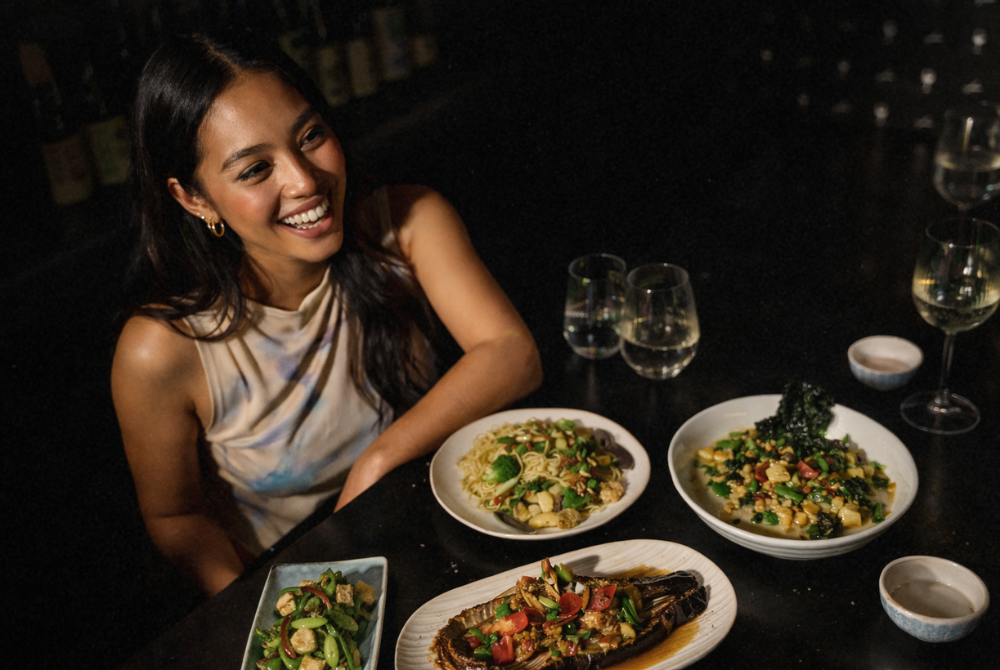
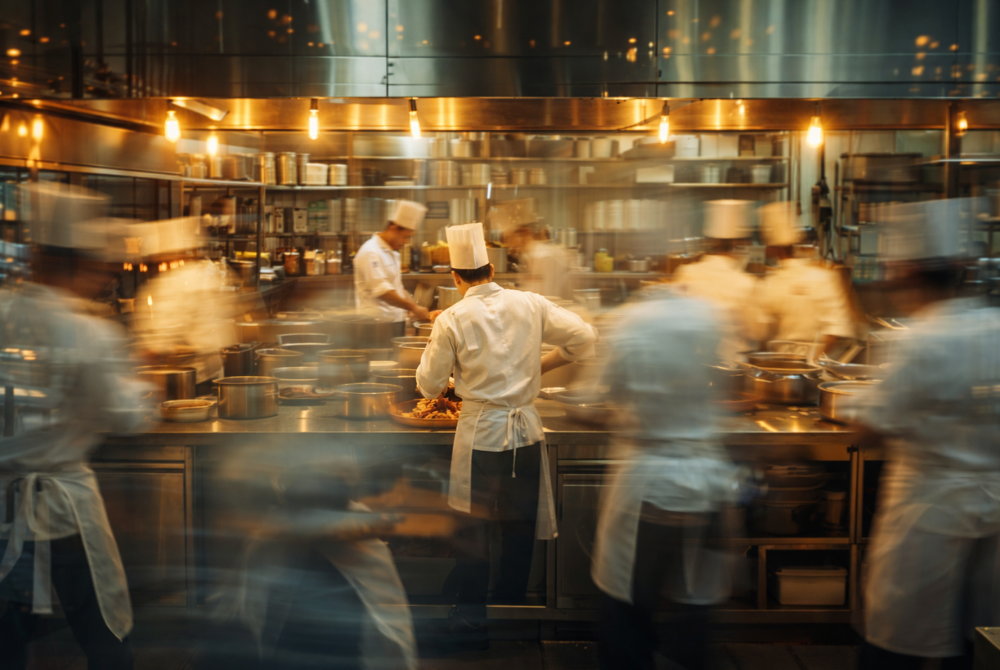
Morning operations commence at restaurant chains across Metro Manila, Cebu, and Davao. Kitchen teams prepare breakfast menus, lunch offerings, and all-day items with eggs sourced from cage-free production systems. The practice has extended across quick-service locations, casual dining establishments, and full-service restaurants throughout the archipelago, marking a significant shift in operational sourcing standards. For the Philippines restaurant sector, cage-free procurement has transitioned from experimental policy to mainstream industry commitment with measurable implementation timelines.
Lever Foundation’s 2025 Philippines Restaurant Industry Cage-Free Scorecard finds that 70% of top restaurant brands operating in the Philippines—those with at least 20 locations—have established timelines for eliminating caged eggs from their operations. Two brands have already completed the transition to 100% cage-free sourcing across their Philippines operations. An additional 44 brands have committed to global cage-free policies with implementation deadlines through 2035. In total, these commitments cover more than 11,200 restaurant locations, representing 77% of surveyed establishments nationwide.
International and Domestic Restaurant Groups Drive Market Transformation
Major international restaurant brands are setting implementation standards for the Philippines market. Century Pacific Food operates multiple concepts, including Shakey’s and Peri-Peri, with cage-free commitments by 2030. Jollibee Foods Corporation maintains the country’s largest restaurant portfolio spanning quick-service to casual dining categories. Subway, Dunkin’, and KFC have announced deadlines ranging from 2025 to 2030.
Regional groups have established similar timelines. Max’s Group, which operates restaurants throughout the Philippines, has set a 2035 deadline across its diverse brand portfolio. The Bistro Group, operating multiple international franchises including Buffalo Wild Wings and Olive Garden, has committed to implementation dates ranging from 2025 to 2027.
The shift extends across breakfast menus, bakery operations, and protein-centered dishes. Procurement teams negotiate new supplier agreements. Kitchen managers adapt recipes and training protocols. Customers may not even notice the difference — but their breakfast sandwiches, pastries, and egg-based dishes now come from improved production systems.
While momentum reflects growing industry attention to sustainability, animal welfare, and food safety standards, 30% of surveyed restaurant brands have not yet established cage-free policies. This includes 20 restaurant brands operating 3,278 locations in the Philippines. These uncommitted brands represent both domestic operators and international franchises. The question shifts from whether to adopt cage-free sourcing to when implementation will begin.
“The shift to cage-free eggs has been particularly rapid across hospitality and restaurant groups, particularly in the Philippines,” said Robyn Del Rosario, Philippines Program Lead at Lever Foundation. “As of 2025, 70% of Philippine restaurant brands have committed to sourcing only cage-free eggs.” The momentum has accelerated significantly in 2025, with three leading restaurant groups representing 2,140 stores confirming their cage-free egg policies, contributing to a 22% increase in committed locations throughout the country.
Scientific research supports this transition, with peer-reviewed studies documenting improved food safety, superior nutritional value, and higher quality in eggs from cage-free systems. In 2020, the Philippines Bureau of Agriculture and Fisheries Standards developed comprehensive animal welfare guidelines for cage-free eggs in response to sector growth, establishing a framework that supports industry transformation.