

February 15, 20262026年 02月 15日
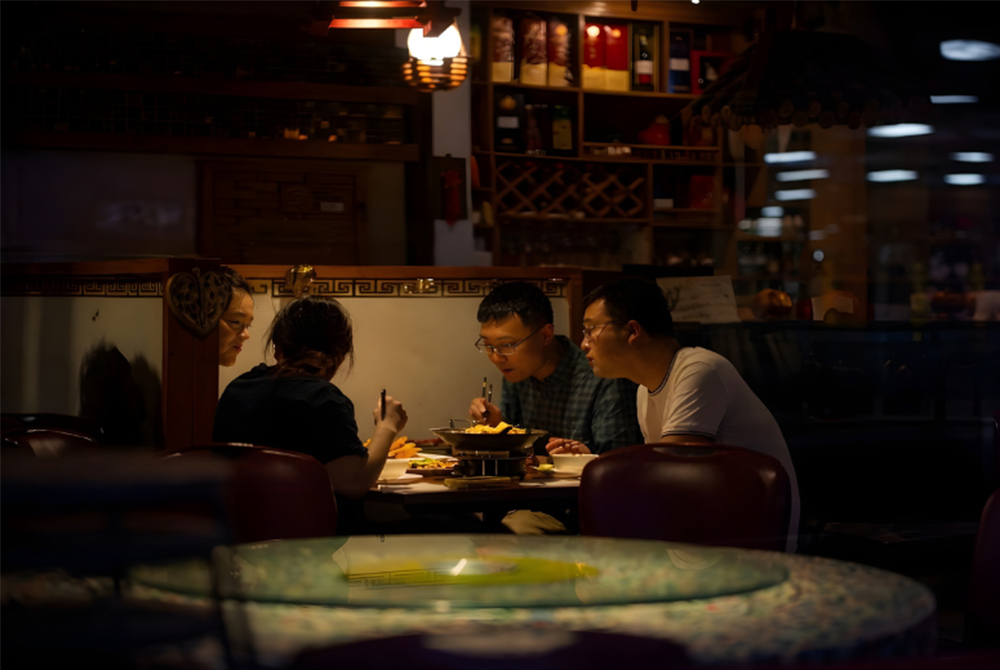
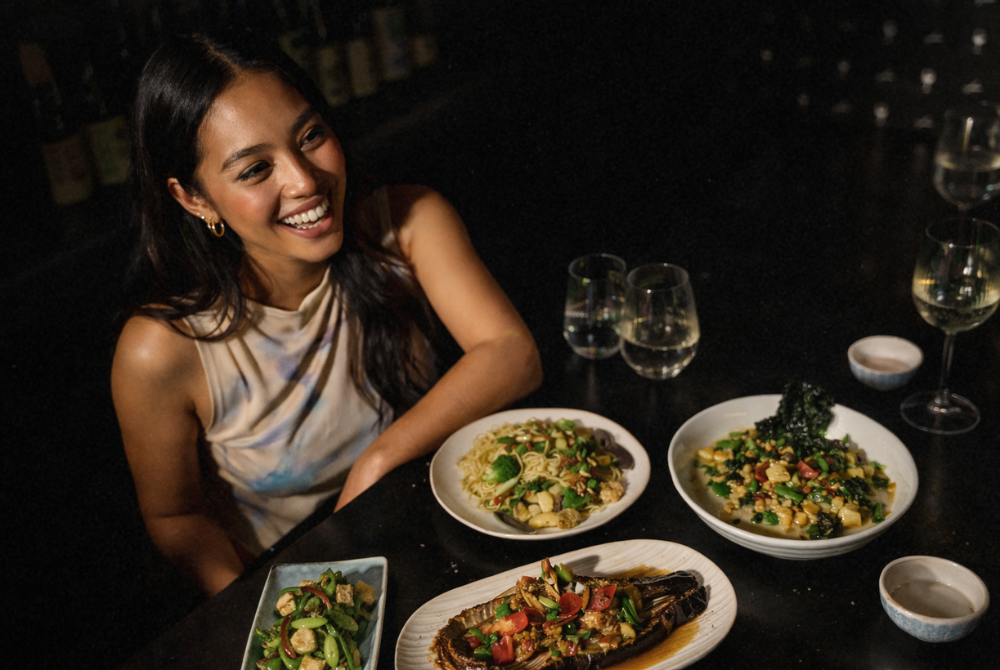
Cage-free poultry is changing how restaurants source their ingredients in China. The menu at Xiao Diao Li Tang now indicates which dishes use cage-free chickens and ducks. A regular customer notices the label for the first time next to the jasmine roast duck she always orders. She asks the server about it. The explanation is straightforward: farmers raise the ducks in systems where they can roam, forage, and behave naturally rather than being confined in cages. The customer hadn’t considered this before, but now it adds another dimension to her meal.
China’s First Comprehensive Cage-Free Poultry Commitment
This attention to ingredient sourcing isn’t new for the brand. Xiao Diao Li Tang founded its business in 2007. The brand maintains a philosophy of “preserving authentic Beijing flavors and delivering heartwarming tastes.” The chain pursues ingredient quality across its menu. The signature pear soup requires six hours of slow-simmering each dawn to nourish and refresh. Traditional Baodu recreates authentic Old Beijing flavors. Each dish reflects the brand’s commitment to freshness, health, and authenticity.
Building on this foundation, the restaurant chain operates nearly 60 outlets nationwide. The chain recently announced its commitment to source 100% cage-free poultry ingredients by 2030. This includes chicken meat, duck meat, chicken eggs, and duck eggs. The commitment makes Xiao Diao Li Tang the first major restaurant group in China to establish such comprehensive cage-free poultry sourcing standards.
Cage-free poultry comes from a farming system that allows birds to move freely. They can engage in natural behaviors such as nesting, perching, dust-bathing, and stretching their wings in indoor or outdoor environments. Conventional battery cage systems completely restrict these behaviors. This farming method aligns more closely with animal welfare standards. Scientific research shows it improves both animal health and ingredient quality.
From Signature Dishes to System-Wide Standards
The brand has been practicing what it now preaches. Its flagship dish, the “Jasmine Roast Duck,” has consistently used cage-free ducks for years. Diners describe it as a “must-order signature dish on the Beijing dining table.” Chefs prepare the dish using premium free-range ducks and traditional techniques. The meat arrives tender and juicy with subtle jasmine notes.
Now, the 2030 cage-free target extends this philosophy across all poultry sourcing. The brand prioritizes farm animal welfare so ingredients can develop superior quality in natural environments. The commitment represents both a sustainability initiative and a quality control measure implemented at the source.
“Xiao Diao Li Tang firmly believes that deliciousness stems from ingredients, and brand value lies in responsibility,” said Liu Zheng, Brand Director at Xiao Diao Li Tang. “Our commitment to quality and accountability toward society and the environment is the cornerstone of sustainable brand development.”
Market Leadership Sets New Standards
Making this transition a reality requires collaboration across the entire supply chain. Procurement teams will work with suppliers to secure cage-free chicken, duck, and egg sources. Meanwhile, kitchen operations will maintain ingredient standards while transitioning to new sourcing channels. The goal is to deliver cage-free poultry across all menu items—from roast duck to egg-based dishes—without compromising the authentic Beijing flavors the brand is known for.
“We will collaborate closely with suppliers and industry partners to drive sustainable upgrades,” Liu added. “Every dish of Beijing-style cuisine will embody quality, warmth, and responsibility. We aim to deliver consumers a dining experience that is more reassuring, more authentic, and more valuable.”
While Xiao Diao Li Tang’s jasmine roast duck established an early precedent for cage-free duck sourcing, the 2030 commitment signals a broader transformation. The policy covers all poultry categories and applies across the entire chain. Consequently, the restaurant sector in China may follow this example as consumer awareness of sustainability and animal welfare continues to grow.
“We are delighted to see Xiao Diao Li Tang integrate animal welfare into its corporate strategy,” said Dou Siyun, Sustainability Program Lead at Lever China, a Shanghai-based food consultancy that helped the company develop its new policy. “This demonstrates the brand’s social responsibility. It also sets a positive example for green development in China’s food service industry.”
Indeed, the commitment reflects shifting consumer preferences. More diners actively choose cage-free and high-welfare ingredients. Some substitute animal protein with plant-based alternatives. Ultimately, consumer choices are reshaping how restaurants approach sourcing in China’s dining sector.