

August 15, 20252025年 08月 15日
In the mornings at the Four Seasons Seoul, chefs crack eggs for breakfast service—omelets, pastries, hollandaise—each one sourced from cage-free systems. This scene now repeats across seven major hotel groups operating throughout Korea. The country’s hospitality industry isn’t waiting for regulatory mandates. It’s leading them.
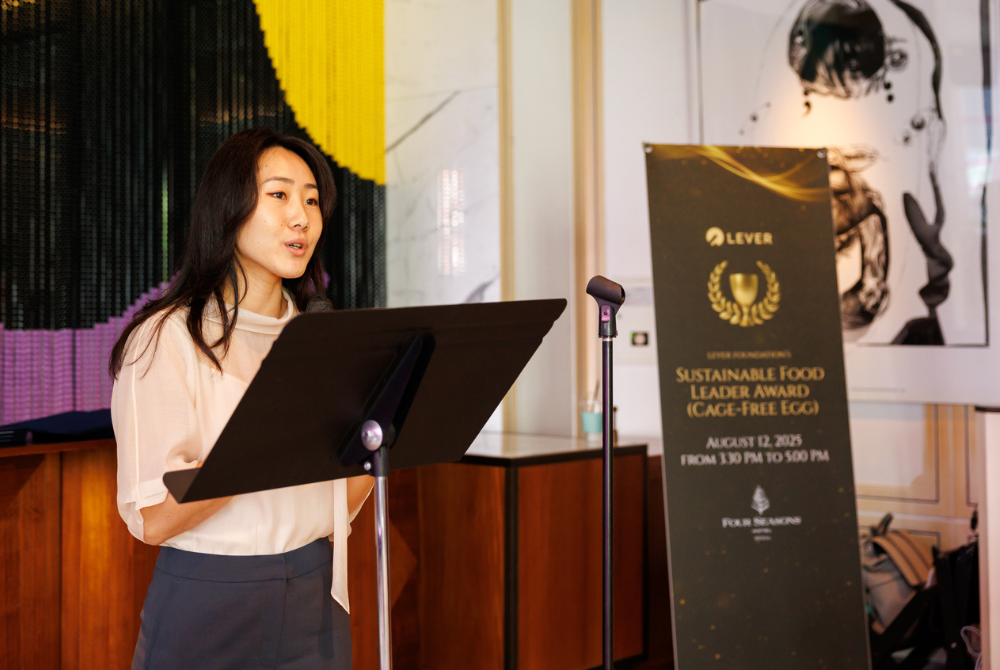
Seven hotel brands recently received Sustainable Food Leader Awards from Lever Foundation for their cage-free egg commitments. The collective shift will improve conditions for over 87,000 egg-laying hens annually. More importantly, it demonstrates how premium hospitality can drive supply chain transformation at scale.
Complete Implementation Sets Industry Benchmark
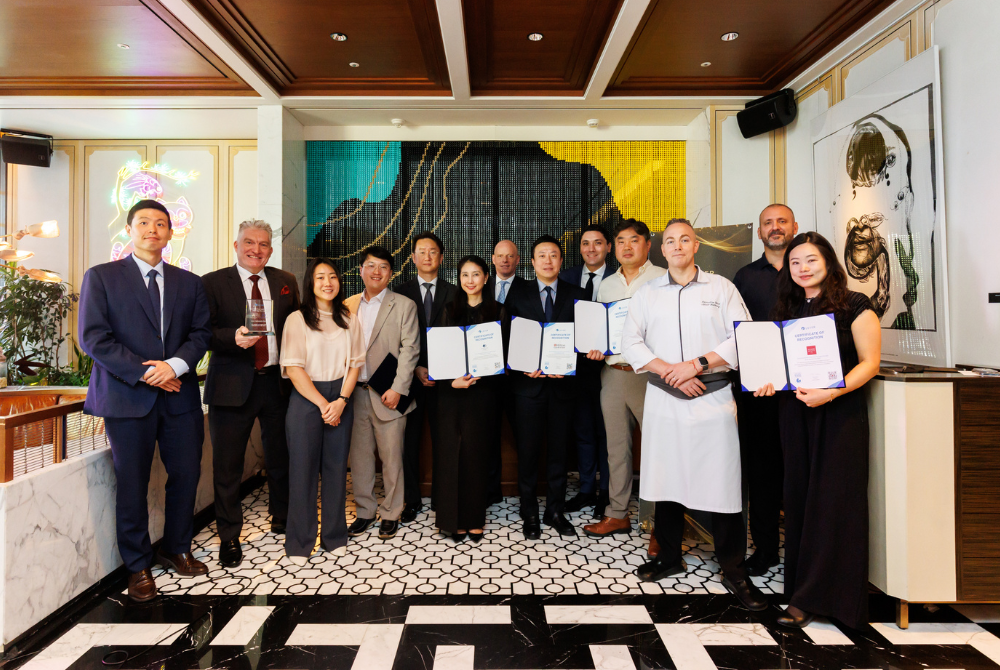
Accor Ambassador Korea achieved complete cage-free egg sourcing across all 30 properties. The company became the first major hotel brand in South Korea to reach full implementation. “Accor is proud to lead by example in Korea’s hospitality industry,” said Vincent LeLay, President at Accor Ambassador Korea. “By completing all eggs sourced from cage-free systems across our operation, we believe that caring for animals and the planet is not just part of our values—it enhances the guest experience.”
Six additional award recipients have committed to sourcing 100% korea cage-free eggs by 2025. These include Hilton Hotels and Resorts, Marriott International, Four Seasons Hotels, Hyatt Hotels Corporation, and BanyanTree Hotels & Resorts. Meanwhile, Avon Hotel extends their timeline to 2027.
The hospitality commitments align with national policy shifts. Specifically, the Korean government has mandated the phase-out of number 4 caged egg production. A legal ban takes effect within two years. This regulation aims to improve both food safety and animal welfare. Consequently, it reshapes sourcing standards across the country’s food industry.
Consumer Demand Supports Transition
Korea’s hospitality transformation reflects strong public sentiment. A GMO Research survey found that 87% of Korean consumers believe hens should not live confined in cages. Additionally, 82% will pay more for cage-free eggs in restaurants. These numbers validate what hotel executives already suspected: guests expect ethical sourcing.
“We’re seeing more chefs, F&B directors, and hotel executives making this shift,” said Shaun Anthony, Executive Chef at Four Seasons Seoul. “Not just because it’s the ethical choice, but because it reflects their personal values and their guests’ expectations.”
The food safety case strengthens the business argument. Research shows cage-free systems reduce salmonella contamination likelihood by up to 25 times compared to conventional farms. Furthermore, cage-free eggs allow hens to roam freely. This eliminates confinement in battery systems. As a result, the approach improves the nutritional quality of eggs while reducing food safety risks.
“The hospitality sector is uniquely positioned to shape food industry standards,” said Segyo Oh, Sustainability Program Lead at Lever Foundation Korea. “By committing to sourcing 100% cage-free eggs, these establishments create ripple effects across supply chains.”
The combined commitments represent measurable progress across Korea’s hospitality landscape. These initiatives transform thousands of daily dining experiences while creating demand that supports expanded ethical production infrastructure throughout the region. In turn, premium hospitality providers deliver sustainability initiatives that guests increasingly expect as standard.