

October 30, 20252025年 10月 30日
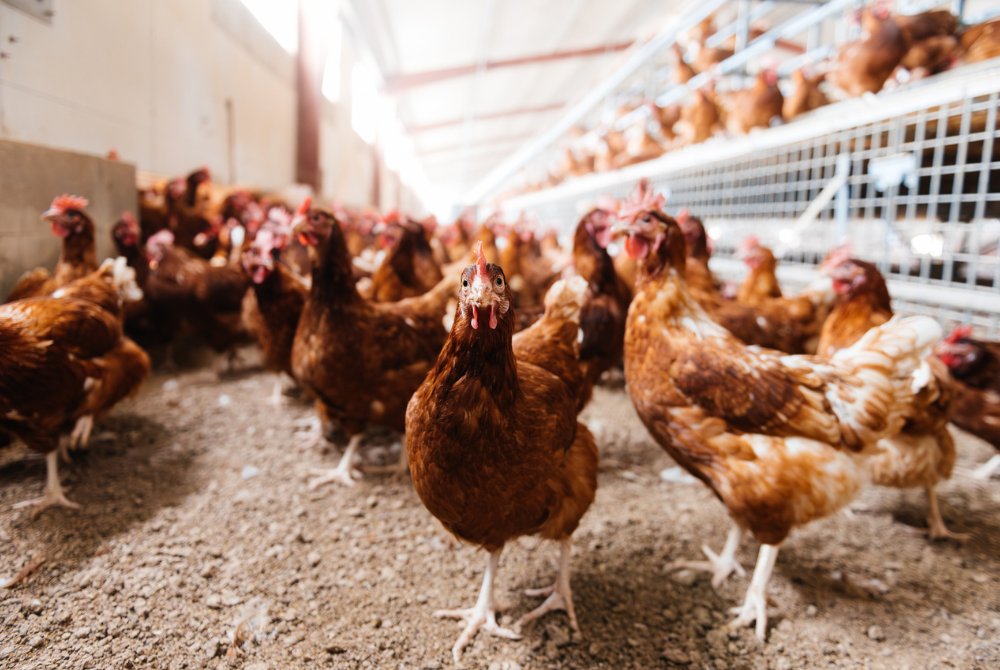
Dawn at a laying hen farm outside Jakarta. Workers move between rows checking feed systems, monitoring temperatures—the daily choreography that keeps Indonesia’s egg supply flowing nationwide. However, draft Indonesian animal welfare standards are set to transform this scene. The Ministry of Agriculture is developing comprehensive regulations that will explicitly support cage-free egg production systems. By the time these standards finalize, the cages at many operations will be gone.
Government Establishes Legal Framework for Cage-Free Production
The Indonesian Ministry of Agriculture is drafting comprehensive animal welfare standards that explicitly support cage-free laying hen systems. Not recommendations. These Indonesian animal welfare standards, currently under development, will establish legal frameworks with certification criteria that farmers can reference when restructuring operations. Moreover, the shift carries weight: over 100 Indonesian companies have already committed to cage-free sourcing. They join 2,000+ businesses worldwide that have made similar pledges since 2015.
“These regulations serve as the legal basis for animal welfare standards in Indonesia,” said Dr. Puguh Wahyudi, Head of the Animal Welfare Advocacy Working Team at the Ministry of Agriculture. “This includes animal welfare certification points that can serve as a reference for farmers developing more welfare-oriented husbandry systems, including for laying hen farms.”
The corporate roster reads like Jakarta’s dining and retail directory. Consequently, KFC, Pizza Hut, Burger King, and The Coffee Bean & Tea Leaf are advancing transitions. Meanwhile, Nestlé races toward its 2025 deadline. Superindo pledges 100% cage-free retail availability. Furthermore, hospitality leaders Ismaya, Bali Budha, and Jiwa Jawi are restructuring supply networks.
Each commitment represents procurement protocols rewritten. Additionally, it means supplier relationships are renegotiated and kitchen staff retrained on handling differences in cage-free eggs.
Export Markets and Implementation Support Drive Momentum
The government’s calculus extends beyond domestic animal welfare. Specifically, the European Union mandates 100% cage-free production. WTO rulings establish animal welfare as a legitimate trade criterion. As a result, export markets increasingly require cage-free certification.
Dr. Wahyudi frames it directly: when Indonesian products face these requirements, “Indonesia will prepare products that meet consumer demand.” Therefore, the government is already providing support to farmers implementing cage-free systems. He acknowledges “the current global trend is indeed moving in that direction.”
Lever Foundation navigates the technical terrain. They connect companies with suppliers, map transition pathways, and translate global best practices into Indonesian market contexts. Sandi Dwiyanto, Lever’s Sustainable Poultry Program Manager, coordinates the implementation support. This includes technical guidance for cage-free conversions, supply chain mapping, and resource connections that turn commitments into operational realities.
“When transformation arrives, we’ll be ready,” said Roby Tjahya Dharma Gandawijaya, industry leader at PT Inti Prima Satwa Sejahtera. He calls for multi-stakeholder collaboration across feed, equipment, and pharmaceutical sectors.
Other Southeast Asian governments watch Indonesia’s regulatory development closely, where first movers often set standards.