

April 15, 20252025年 04月 15日

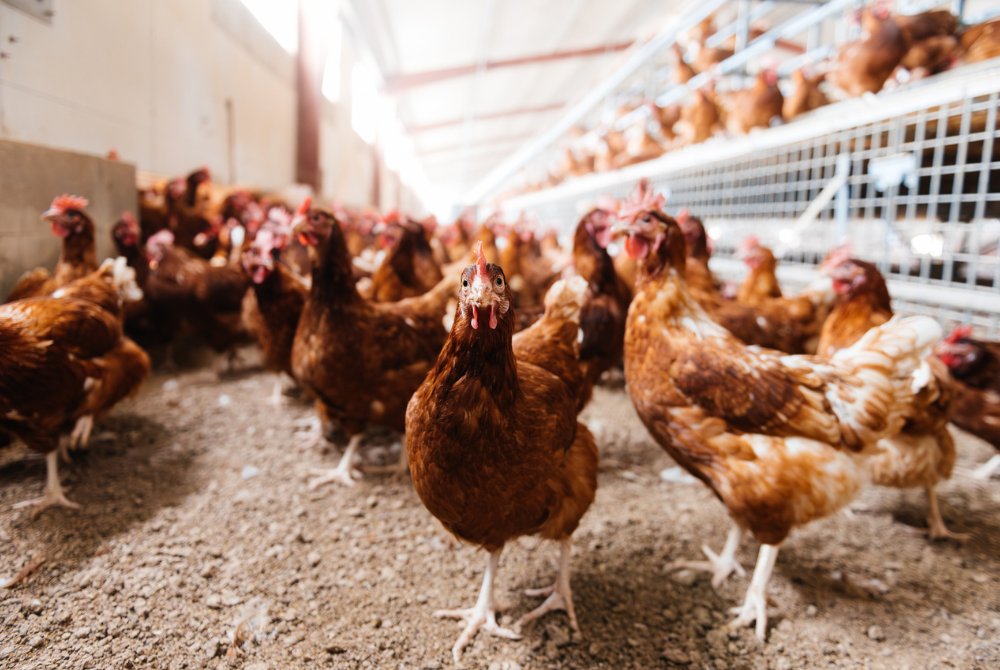
China’s food industry is making steady progress toward improving animal welfare. Three major companies have committed to eliminating caged eggs from their supply chains, representing concrete progress in one of the world’s largest food markets.
Premium Retail Makes History
Olé Supermarket, China’s leading premium retailer, has committed to sourcing only cage-free eggs by 2035 through Lever China’s strategic engagement. With over 120 stores under China Resources Vanguard—one of the country’s largest retail conglomerates—Olé’s decision carries substantial market influence.
What makes this particularly noteworthy: Olé will become the first supermarket chain in China to establish dedicated “animal welfare” sections in stores, creating new consumer awareness opportunities while transforming procurement practices.
Lever China’s multi-year partnership has already delivered results. Nearly 50% of egg brands Olé currently sells are cage-free, establishing a strong foundation for the complete transition ahead.
Bakery Giant Accelerates Change
Willnice, China’s sixth-largest bakery chain, committed to cage-free eggs by 2027. With over 800 stores nationwide and dominance as the biggest cake seller on Meituan Takeout, China’s leading food delivery platform, this policy will drive significant supply chain demand.
The accelerated timeline reflects the increasing viability of cage-free alternatives and demonstrates how strategic engagement emphasizing business practicality can help companies commit to ambitious implementation schedules.
Infrastructure Support
Two major logistics companies have joined the movement. Yupei Supply Chain Management (with 100 warehouses and 1,800 distribution centers) and Seven Lucky both pledged to transition to cage-free by 2030.
These commitments are strategically significant—when major distribution networks adopt cage-free policies, they reduce barriers for smaller food companies considering similar standards.
Combined, these commitments will benefit hundreds of thousands of animals annually through improved housing systems. The results demonstrate how focusing engagement on high-leverage companies can produce measurable outcomes across extensive supply networks.
This work happened because of the support of people like you. Please consider donating today to build a more humane and sustainable protein supply in Asia.